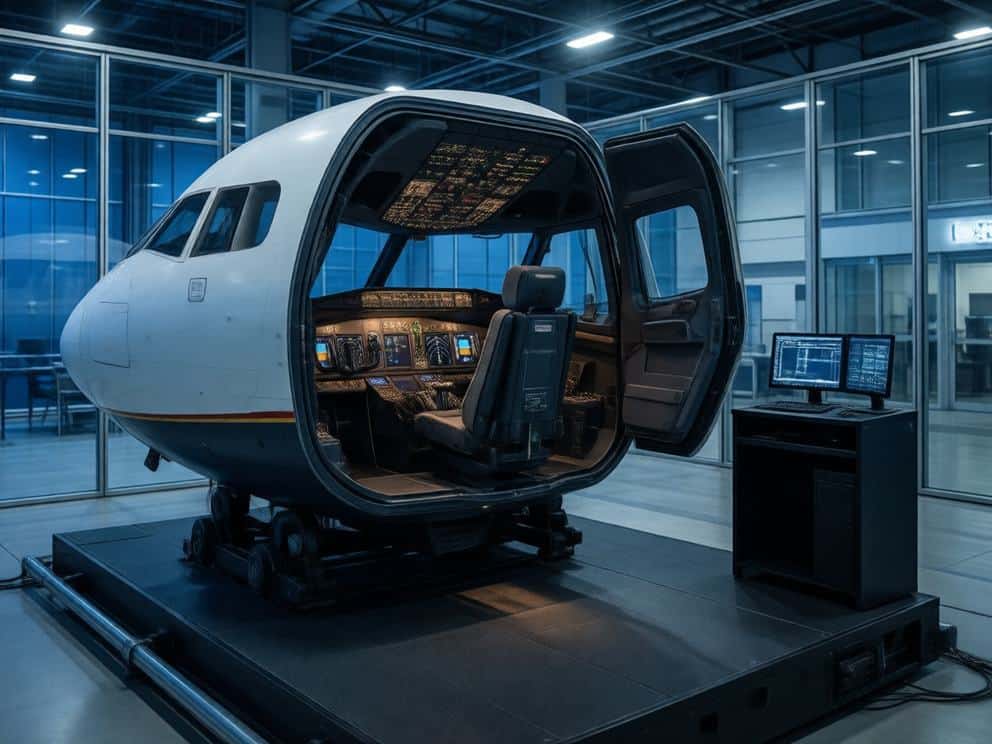
ATPL Simulator Training Switzerland: Student Guide
ATPL simulator training in Switzerland builds airline-ready skills before you fly commercially. Here’s where it fits, which route suits you, and what approved training should include.
⚡ Key takeaways
- Simulator training develops procedures, decision-making and crew coordination; it complements, not replaces, aircraft flight training.
- Choose integrated or modular ATPL training based on your experience, schedule and financial plan.
- Approved training ensures licences, ratings and records meet recognised aviation authority standards.
- Compare schools on instructor experience, fleet availability, safety culture, scheduling reliability and career guidance.
ATPL Simulator Training Switzerland, Where It Fits in Pilot Training
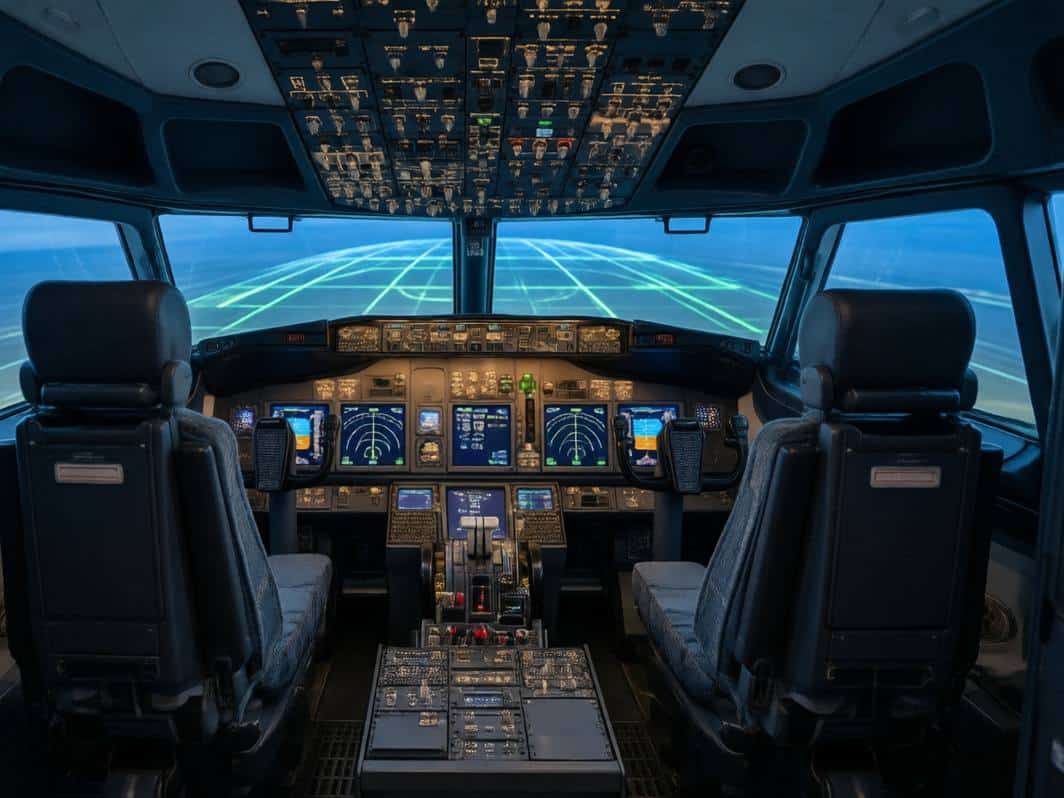
ATPL simulator training in Switzerland is a focused part of the wider journey from aspiring aviator to airline-ready pilot. It does not replace practical flight training in an aircraft; instead, it gives pilots a controlled setting in which to apply technical knowledge, practise procedures and make sound decisions when the workload rises. Within a strong pilot training programme, simulator sessions connect classroom-based aviation training with the operational discipline expected on the flight deck. At AELO Swiss Academy, training is approached as a progression: understand the aircraft, prepare thoroughly, fly accurately and learn from every outcome. The simulator makes it possible to repeat demanding scenarios without compromise, from instrument approaches and abnormal situations to crew communication. That structured exposure helps turn knowledge into confident, deliberate action before each pilot takes the next step in aviation at our Locarno training centre.
How Simulator Training Supports Pilot Development
| Training area | How simulator sessions support it |
|---|---|
| Technical knowledge application | Provides a controlled setting to apply technical knowledge in aircraft-related scenarios. |
| Procedures | Allows pilots to practise procedures repeatedly as part of structured training. |
| Decision-making | Helps pilots practise making sound decisions when workload rises. |
| Instrument approaches | Enables repeated practice of demanding instrument approach scenarios. |
| Abnormal situations | Creates an environment for working through abnormal situations without compromise. |
| Crew communication | Supports practice of communication in operational flight-deck scenarios. |
ATPL Integrated and Modular Routes, Approved Training Matters
Choosing between an ATPL integrated course and a modular route is less about finding a universally “better” option than matching the programme to your experience, time and financial plan. An integrated pathway delivers a structured, full-time training syllabus from zero hours to airline-ready qualifications, while modular training lets pilots build licences and ratings in stages. In either case, approved training is the foundation: it ensures instruction, aircraft, examinations and record-keeping meet the relevant aviation authority’s standards. At AELO Swiss Academy, that structure is paired with close operational guidance, so students understand not only what comes next, but why it matters to their career plan. A type rating comes later, typically when an airline or operator requires qualification on a particular aircraft, and should not be confused with the core ATPL pathway.
Choosing Your ATPL Route
- Choose integrated training for a structured, full-time route from zero hours.
- Choose modular training to progress in stages around work, finances or experience.
- Confirm approved training meets aviation authority standards for instruction, aircraft and records.
- Match your route to realistic time commitments, budget and career objectives.
- Remember: type ratings follow later when an airline requires a specific aircraft qualification.
Skills, Human Factors and Training Devices for Airline Preparation
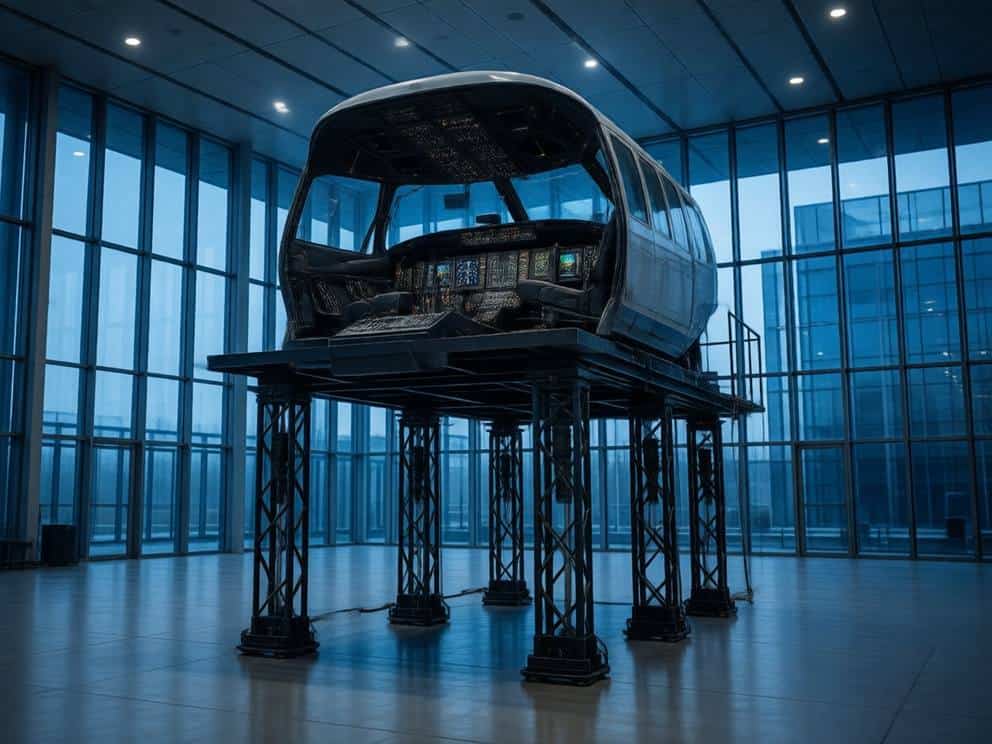
Airline preparation is not only about flying accurately; it is about making sound decisions when workload rises, information conflicts and time is limited. At AELO Swiss Academy, human factors are woven into training from the outset, helping students understand how communication, fatigue, prioritisation and cockpit discipline shape safe outcomes. Practical sessions use appropriate training devices to build familiarity with airline-style procedures before they are tested in the aircraft. Students practise structured briefings, abnormal scenarios and clear coordination with ATC, developing the calm, concise habits expected in a professional flight deck. Based in a focused training center environment, this work connects technical knowledge with the judgement airlines value: the ability to assess a situation, use available resources intelligently and remain dependable as part of a crew — precisely the habits our airline-orientated mentored programme is designed to build.
Airline Readiness Essentials
- Practise structured briefings, prioritisation and clear cockpit communication.
- Build fatigue awareness and disciplined decision-making under pressure.
- Use training devices to rehearse airline-style procedures and abnormal scenarios.
- Develop concise ATC coordination and effective crew resource management.
- Connect technical flying skills with dependable professional judgement.
Choosing Flight Schools and Planning Your Next Step
The right training environment should do more than prepare you for examinations: it should give you a clear, credible route into professional aviation. When comparing flight schools, look closely at instructor experience, fleet availability, safety culture, the standards maintained inside our training facilities, and how consistently flying schedules are maintained through the Swiss seasons. Approved training matters because recognised programmes follow defined standards and allow your licences and ratings to carry real weight with employers. At AELO Swiss Academy, prospective pilots should also consider the wider network around their training, from airline-oriented procedures to career guidance after qualification. If your ambitions include a major European operator such as Lufthansa, ask practical questions early: which licences are required, what experience thresholds apply, and how can your training plan build toward them? A well-chosen school turns an aspiration into a structured next step.

ATPL Simulator Training FAQs
AELO Swiss Academy’s ATPL simulator training Switzerland programmes are designed for pilots who want structured, airline-relevant preparation in a professional training environment. A frequent question concerns the difference between ATPL theory, simulator practice and a type rating: theory builds the knowledge base, while simulator sessions develop decision-making, procedures, crew coordination and workload management before line operations. The right sequence depends on your licence status, previous experience and career objective. Some pilots require focused preparation for an airline assessment; others need recurrent practice or support before beginning aircraft-specific training. Our instructors help clarify which sessions are appropriate, what documentation to bring and how to prepare effectively. As aviation ratings and operator requirements vary, an individual consultation remains the most reliable starting point.
Frequently asked questions
What is ATPL simulator training and how does it support pilot training?
ATPL simulator training lets pilots apply theory, practise procedures and manage demanding scenarios in a controlled environment. It supports aircraft flight training by developing instrument skills, decision-making, crew coordination and workload management.
Should I choose an integrated or modular ATPL course in Switzerland?
An integrated ATPL course is a full-time, structured route from beginner level to professional qualifications. Modular training allows you to complete licences and ratings in stages, offering greater flexibility around time, experience and budget.
Is a type rating included in ATPL simulator training?
No. ATPL training builds the core licences, knowledge and operational skills needed for an airline career. A type rating is separate aircraft-specific qualification, usually completed later when required by an airline or operator.